
Neighborhood guide
Junius Heights neighborhood guide
Junius Heights is a large historic district of front porches and bungalows in East Dallas. It began as a streetcar suburb in 1906. When the City designated it in 2006, it became the largest landmark district in Dallas, according to the federal Advisory Council on Historic Preservation.
Where it is #
The City's 2006 ordinance describes the district as about 190 acres. It is bounded generally by Gaston Avenue, Henderson Avenue, Reiger Avenue, East Side Avenue, Abrams Road, Columbia Avenue, Glasgow Drive, and Nesbitt Drive. Abrams Road runs through it.
The Munger Place and Swiss Avenue historic districts are nearby. The Lakewood shopping center is just to the northeast, at Gaston Avenue and Abrams Road.
A short history #
The City's landmark nomination tells the story.
- 1906 platting. The Junius Heights Addition was platted on July 19, 1906. It had 21 blocks and 244 lots. M. W. Townsend of the Columbia Realty Company put the land together with H. D. Ardery, C. F. Freeman, and developer F. P. Wilson.
- The streetcar sale. On Sunday, September 2, 1906, the new extension of the Elm Street streetcar line and a new Junius Heights streetcar ran for the first time. Crowds came to look, but no lots were sold on Sunday. The sale began at midnight, with lots starting at $250. Within one hour, half of the lots were sold. In three days, the addition was sold out.
- Many additions. The district today takes in ten additions, including Junius Heights itself, platted between 1903 and 1915.
- Buses replace streetcars. Dallas began switching its streetcars to buses in the late 1930s.
The Dallas City Council made Junius Heights a landmark district on April 26, 2006.
Homes and buildings #
The City says the district has over 800 homes in Craftsman, Prairie, and Tudor styles. Its period of significance runs from 1900 to 1940. According to the landmark nomination:
- About 45 percent of the historic homes are Craftsman bungalows.
- About 20 percent are Folk Victorian cottages.
- About 13 percent are Prairie style, and about 10 percent are Tudor.
- You'll also find Colonial Revival, Neoclassical, Queen Anne, and Spanish Eclectic houses.
Most houses were built as four- to six-room frame houses or cottages. Lots along Gaston Avenue were larger, with bigger brick and frame homes.
What the historic district means for a rental #
Because Junius Heights is a landmark district, the City requires a Certificate of Appropriateness before anyone changes the outside of a building or the property. The district's rules protect front porches and front facades. They do not allow vinyl or aluminum siding on main buildings, new front-yard fences, or new circular driveways, and they protect mature trees in front yards. If you rent here, ask your landlord before you change anything outside.
Parks and landmarks #
- Willis C. Winters Park (101 S. Glasgow Drive). This 16.3-acre community park was established in 1922 and was long called Randall Park. It was renamed for the City's Park and Recreation director, who retired in 2019. It has baseball and softball fields, soccer, tennis and pickleball courts, basketball, a pavilion, and trails.
- Munger Park (5300 Junius Street). A small park with a playground.
- The Junius Heights Columns (1623 Abrams Road). Two 30-foot masonry pillars, first built in 1917 as the gateway to the Junius Heights Second Addition. An iron arch reading "Junius Heights" once joined them. In 1973, plans to widen Abrams Road put the columns at risk. They were restored instead, and the work was finished in 1975. A state historical marker about the 1906 land rush was dedicated at the site in 2025.
- Fire Station No. 16 (5501 Columbia Avenue). Built in 1918 with Mission Revival touches. It is a Dallas landmark and is on the National Register of Historic Places.
- Lindsley Park (7100 Lindsley Avenue). An 8-acre neighborhood park to the east, with a baseball field, a pavilion, a playground, and basketball.
Getting around #
By bus.
- Route 9 (Jefferson-Gaston) runs along Gaston Avenue on the district's northwest edge. It goes to downtown Dallas by way of Baylor University Medical Center Station. On weekdays it comes about every 15 minutes at busy times.
- Route 249 (Columbia) runs through the district on Columbia Avenue and Abrams Road. It goes south to downtown and north to SMU/Mockingbird Station.
- Route 214 (Lindsley) runs on Lindsley Avenue just to the southeast, to Fair Park Station and downtown.
By train. Junius Heights has no rail station of its own. The closest stations are on the Green Line:
- Baylor University Medical Center Station (2900 Junius Street), reached by Route 9.
- Fair Park Station (3710 Parry Avenue), reached by Route 214.
Routes and schedules change. Check dart.org or the GoPass app before you ride. See our neighborhoods page for fare basics.
By car. Gaston Avenue, Abrams Road, and Columbia Avenue are the main streets.
Schools #
Schools are assigned by address. To see the Dallas ISD schools for a home, enter its address in the Dallas ISD School Finder. Dallas ISD suggests calling the school to confirm before you enroll.
Homes for rent in Junius Heights #
Browse the homes for rent. Each home's page shows its neighborhood, its rent and terms, and whether it is a lease or a short stay. Questions? Ask on the home's page, or contact us.
Was this page helpful?
Your answer is sent to the site team with this page's address. Privacy policy
More East Dallas neighborhoods
Casa Linda
A guide to Casa Linda in East Dallas, with the 1945 Spanish Revival Casa Linda Plaza, homes from the late 1930s on…
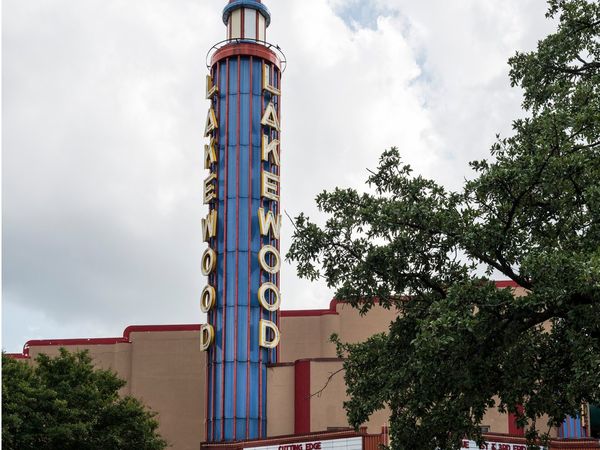
Lakewood
A guide to Lakewood in East Dallas, with the 1938 Lakewood Theater, the shopping center, 1920s and 1930s homes, parks…
Lower Greenville
A guide to Lower Greenville in East Dallas, with the shops on Greenville Avenue, early 1900s homes on its side streets…
M Streets
A guide to the M Streets, or Greenland Hills, in East Dallas, with 1920s Tudor homes, the conservation districts, nearby…
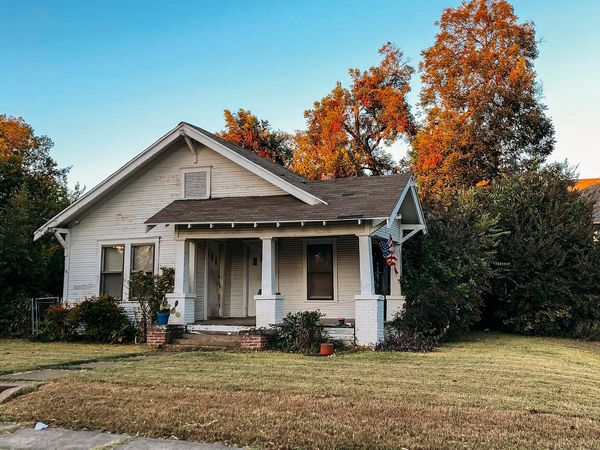
Old East Dallas
A guide to Old East Dallas, with its history as a separate town, Victorian and Prairie homes, 1920s apartments, parks…
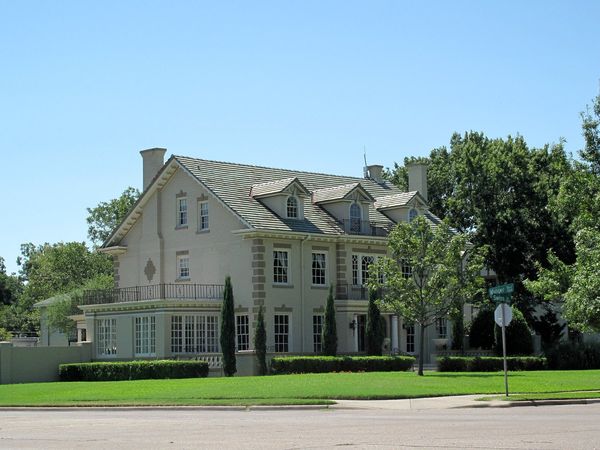
Swiss Avenue
A guide to the Swiss Avenue Historic District in East Dallas, with its history, early 1900s homes, Savage Park, the…
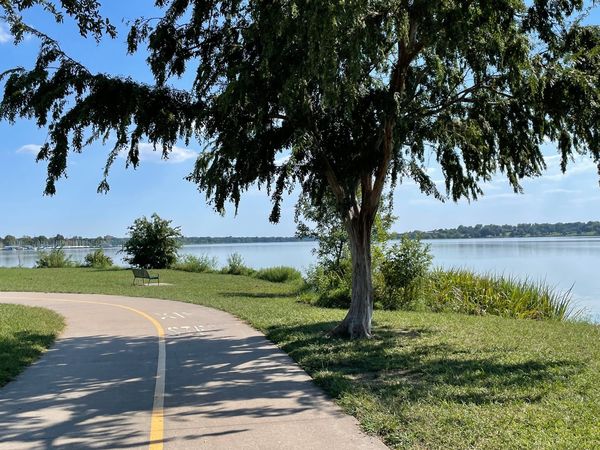
White Rock
A guide to the White Rock Lake area in East Dallas, with the lake's history, its 9.33-mile trail, the Arboretum, the…
All neighborhoods
Every East Dallas neighborhood guide on one page.
Photo: "An old house in Old East Dallas" by Matthew T Rader, CC BY-SA 4.0, via Wikimedia Commons. Cropped; this version is licensed CC BY-SA 4.0. Photo: "Swiss Miss" by Matthew Rutledge, CC BY 2.0, via Flickr. Cropped; yard sign and curb number removed. All photo credits